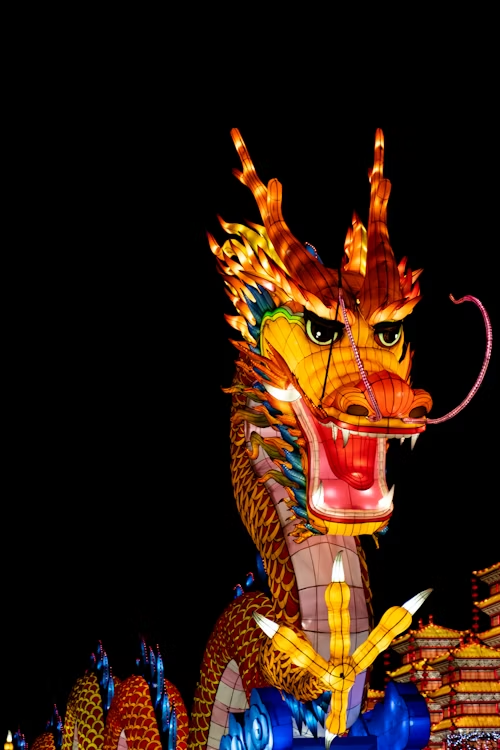
Photo by Thomas Despeyroux on Unsplash
Today I want to talk about dragons. Why do most authors depict dragons as evil, firebreathing creatures?
The above photo is a picture, taken by Thomas Despeyroux, of a very large dragon lantern during a Chinese New Year celebration. Dragons are very popular in Chinese mythology and folklore and have been for a very long time. The word dragon comes from the Ancient Greek word “draconta” which means “to watch”. In Chinese, the word for dragon is “loong” or “long”.
The dragon is a positive image in Chinese culture. It symbolizes things like wisdom, prosperity, protection, health, and authority. The dragon heads, in Chinese culture, are depicted as the heads of camels or other animals and are helpful — not dangerous creatures.
The Chinese dragon does not breathe fire, but, instead, breathes clouds or other water-related substances.
(The above information about Chinese dragons was taken from an article here. Click “here” to go to the article to find out much more about the dragons in the Chinese culture.)
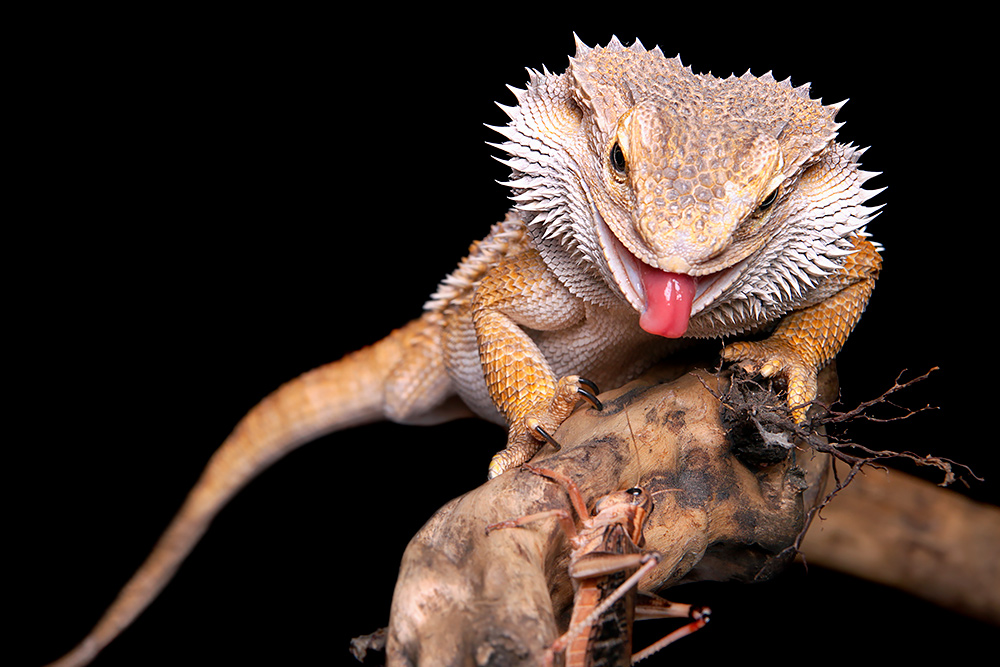
The photo below is a photo of a Bearded Dragon, which is a type of lizard. Many people have Bearded Dragons as pets because they are docile, friendly, and able to adapt to captivity. They do not breathe fire. They enjoy eating leafy vegetables and insects. After reading about them, I think I’d like to have a pet Bearded Dragon. (This information was taken from an article about Bearded Dragons as pets here. Again, click on “here” to read the full article this information was taken from.)

The photo below is a picture of a Komodo Dragon. These dragons, too, are real and still found in certain places in the world–Komodo Island and a few of the Lesser Sunda islands of Indonesia. They can also be found in some zoos. The Komodo Dragon is the largest in the lizard species. It is a member of the Monitor Lizard family. Komodo Dragons do not breathe fire either.
The Komodo Dragon grows to 10 feet in total length and a weight of 300 lbs. Carrion is their main diet item, although they have been known to occasionally attack and kill human beings. They will also wait along game trails to ambush pigs, deer, and cattle. They rarely need to capture live prey since their venomous bite delivers toxins that inhibit blood clotting.
(The above information was taken from an article found here. Click the word “here” to be redirected to the article, to find out more about Komodo Dragons.
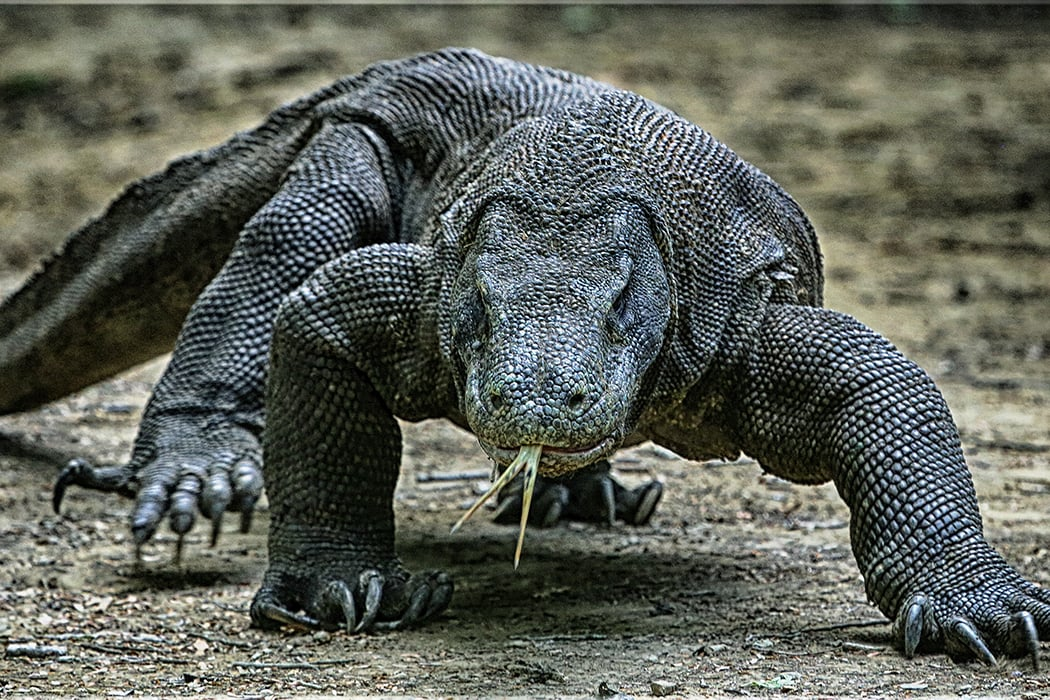
Photo from Adopt a Komodo Dragon | Symbolic Adoptions from WWF
So, of the known dragons that are part of the Chinese Culture and those still living today, none of them breathe fire. The living dragon species were created by God. So, let’s take a moment to look at dragons as one of God’s many creations.
All over the world, people have spun tales of dragons. They have been described as a serpent-like creature. It’s been said they had wings and that they did not have wings. As we’ve already mentioned, it’s been said that many could breathe fire, and many were said to be able to fly.
So, how do we know what’s true and what isn’t? Well, Bodie Hodge and Laura Welch edited and compiled a wonderful book after studying, researching, and separating possible fact from obvious fiction. They published a wonderful book in 2011, called Dragons: Legends and Lore of Dinosaurs, and here is just a little of what they found and shared in the book:
There were reports of so-called “dragons” in many places and cultures. Based on the many descriptions, it is unlikely that the word “dragon” refers to one particular creature. However, they were terrifying to behold, and they were real. Men spoke and wrote extensively about their encounters with these creatures. Cultural artifacts attest to the importance and power that these creatures were attributed with.
Pictures have been found on ancient structures that depict creatures scientists have labeled and named as different types of dinosaurs. Also, the Chinese zodiac, which as a 12-year cycle, has an animal featured for each of the 12 years of the cycle, and every one of the animals can be found living today, except the dragon. It is likely, the Chinese dragon is a depiction of a dinosaur.
The book, Dragons: Legends and Lore of Dinosaurs is a fascinating read, and on page 6 of the book, there is a report, from The Tombstone Epitaph, April 26, 1890 edition of Tombstone, Arizona, of two men who discovered and killed “a strange winged monster” on the Huachuca Desert. There is also a small booklet on the page that gives other “Eyewitness Accounts and Encounters”, one of which is from an essay by John of Damascus, who was a learned scholar and early church leader. John’s essay was translated in the late 1990s, and in it, John describes the difference between dragons as real creatures, named originally by Adam, and the non-real fantastical descriptions of dragons changing their forms that are clearly fiction. John advised people to consult the Biblical text, which reveals the true history and nature of animals from Creation and the qualities that each bear. To read more about John of Damascus and his essay, click here. I also encourage you to purchase and read the fascinating book, Dragons: Legends and Lore of Dinosaurs.
In closing, I would like to encourage all authors and writers who write fantasy and include dragons in your books, to reconsider always making them “evil” creatures.
 Kelly F Barr
I’ve always adored dragons! It kinda stings when people use them as evil beings. 😦 But I have to ask – have you ever read the part in Job about Leviathan? This creature lived in the water and breathed sparks and smoke (hence the fire-breathing dragon legends). And since the Bible is accurate history and not a storybook, I believe God made fire-breathing creatures! 🙂
LikeLike